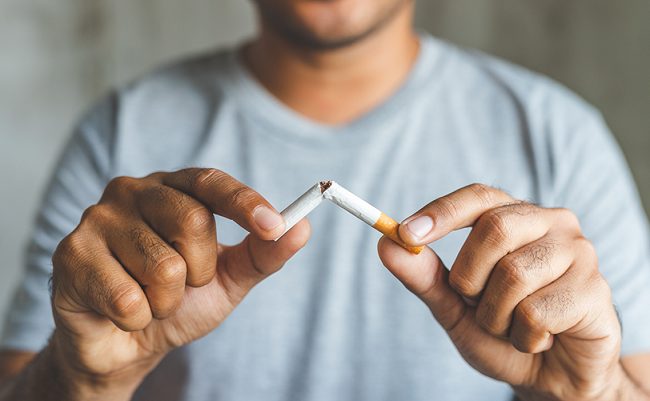
As another year ends, it’s important to reflect on Africa’s position in the global fight against smoking-related diseases. Unfortunately, the familiar pattern continues: while the rest of the world adopts modern harm reduction strategies, Africa remains significantly behind, stuck in outdated methods that don’t address current public health needs.
Across Europe, North America, and parts of Asia, safer nicotine alternatives such as nicotine pouches, e-cigarettes, heated tobacco products, and snus have been widely available for years. Their effectiveness in helping smokers reduce or eliminate exposure to the most harmful compounds in cigarette smoke is well documented. Countries such as Sweden, the United Kingdom, Japan, and New Zealand have witnessed remarkable declines in smoking rates precisely because they embraced these innovations rather than resisted them.
Yet Africa continues to hesitate. Policymakers seem reluctant to accept technologies that could dramatically reduce the human toll of smoking. Instead of moving toward regulation, many governments remain stuck in debates that science has already resolved. This inaction has consequences. Every year, more than 200,000 Africans lose their lives to smoking-related illnesses; a figure that will rise unless decisive steps are taken.
In the absence of sensible regulation, the black market has flourished. Across the continent, illicit and counterfeit nicotine products are everywhere. These unregulated products have no quality checks, no age restrictions, and no safety standards. They place consumers at risk, empower criminal networks, and rob governments of revenue.
The irony is glaring: the very policies meant to “protect public health” are creating conditions that do the exact opposite. When safer alternatives are banned or excessively restricted, people do not stop using nicotine – they simply find it elsewhere, often from unsafe and illegal sources.
What is most frustrating is that the science is no longer in doubt. Safer nicotine products are not risk-free, but they are undeniably less harmful than smoking. The evidence from countries that have adopted these alternatives is overwhelming. Sweden is on track to become the world’s first smoke-free nation. Japan has experienced dramatic drops in cigarette sales since heated tobacco became available. The United Kingdom recognizes vaping as one of the most effective tools for adult smoking cessation. These examples highlight what Africa is missing: a chance to save millions of lives.
Africa cannot continue allowing misinformation, fear, and outdated thinking to shape its public health decisions. The continent needs clear, evidence-based policies that regulate safer nicotine products responsibly, ensure adult smokers have access to them, and curb the black market by bringing these products into a legal, controlled environment. Public education should be grounded in facts, not alarmist narratives, and regional cooperation should guide regulatory approaches so that no country falls behind while others move ahead.
The stakes could not be higher. Every year we delay, more lives are lost unnecessarily. Smoking remains one of Africa’s biggest yet most solvable health challenges. We already have the tools to address it – tools that have been tested and proven elsewhere. What we lack is the political courage to act.
As we turn the page on another year, I urge African leaders to recognize the urgency of this moment. The global conversation has evolved. The science is clear. Lives can be saved. Africa must not remain an observer while the rest of the world moves forward.
History will judge our decisions. Let it not be said that we had the chance to save lives and chose hesitation instead. The health of millions of Africans depends on the choices we make today.
By Joseph Magero, Campaign for Safer Alternatives (CASA)